
seeing consumption
some thoughts on the aesthetic value surrounding tuberculosis in the nineteenth century: a brief introduction

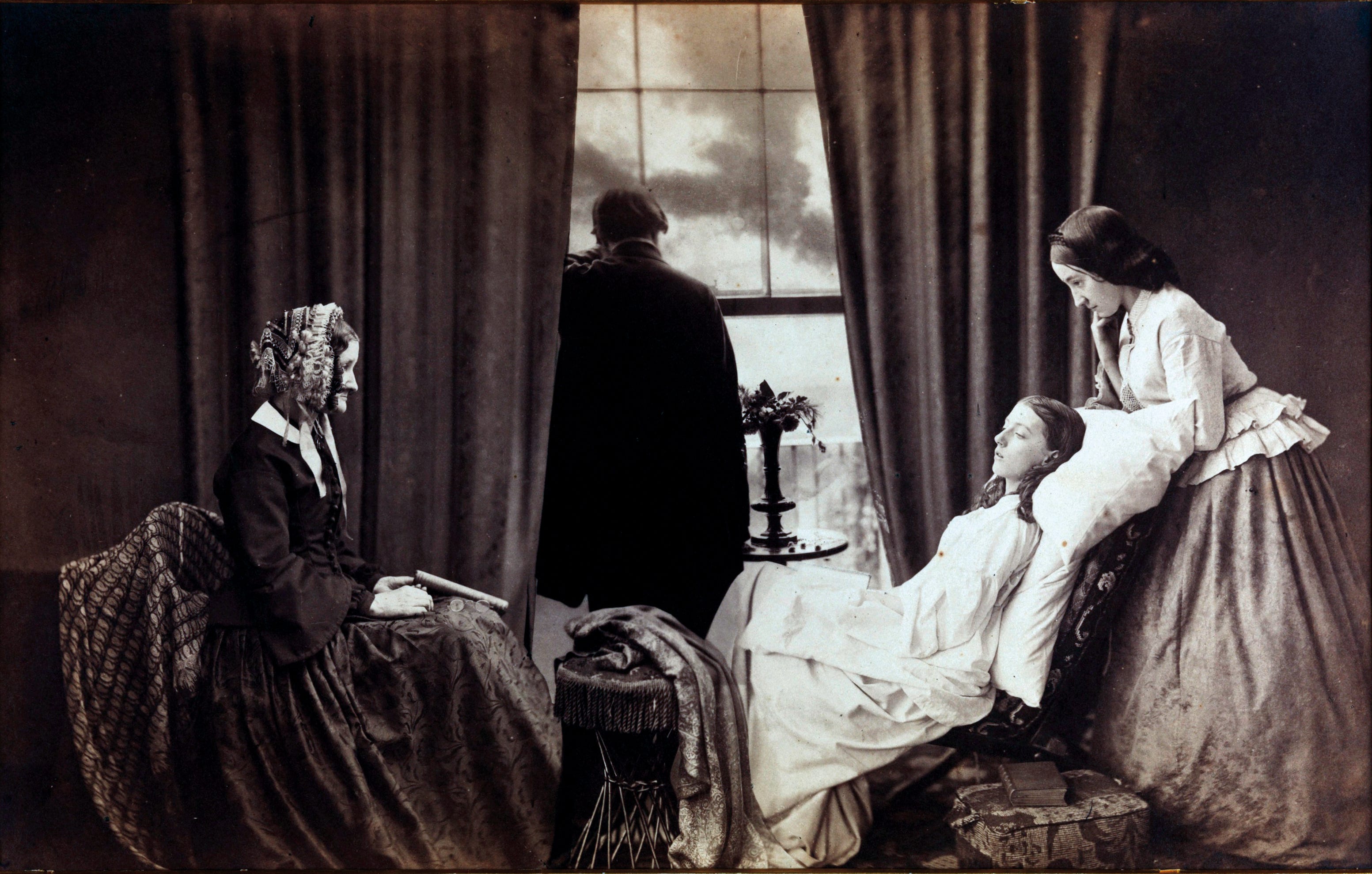
“Consumption*, I am aware, is a flattering malady”
— Charlotte Brontë, 1849
Tuberculosis — also known in English as the “white plague” and in French as “mal de vivre” or “mal du siècle” — is remembered by the West as a disastrous epidemic due to the consequences of its outbreaks, especially that of the nineteenth century. This very century was marked by sweeping social reforms and unprecedented technologies, which gave rise to new ways of seeing and consequent visual experiences that altered the paradigm of observation and the observer.
In the artistic production of this period, everyday life was imbued with a craving for truth and scientific realism. How could an age so pragmatic-scientific, steeped in “extreme naturalism and experimental medicine”, dialogue with neo-Gothic currents?
the new observer and imagetic objectivity
Marked by various revolutions — such as the French Revolution, the Industrial Revolution, and the Second Scientific Revolution of the early nineteenth century (Daston & Galison, 2007) — the nineteenth-century witnessed far-reaching philosophical and material reforms that profoundly influenced its contemporary artistic output.
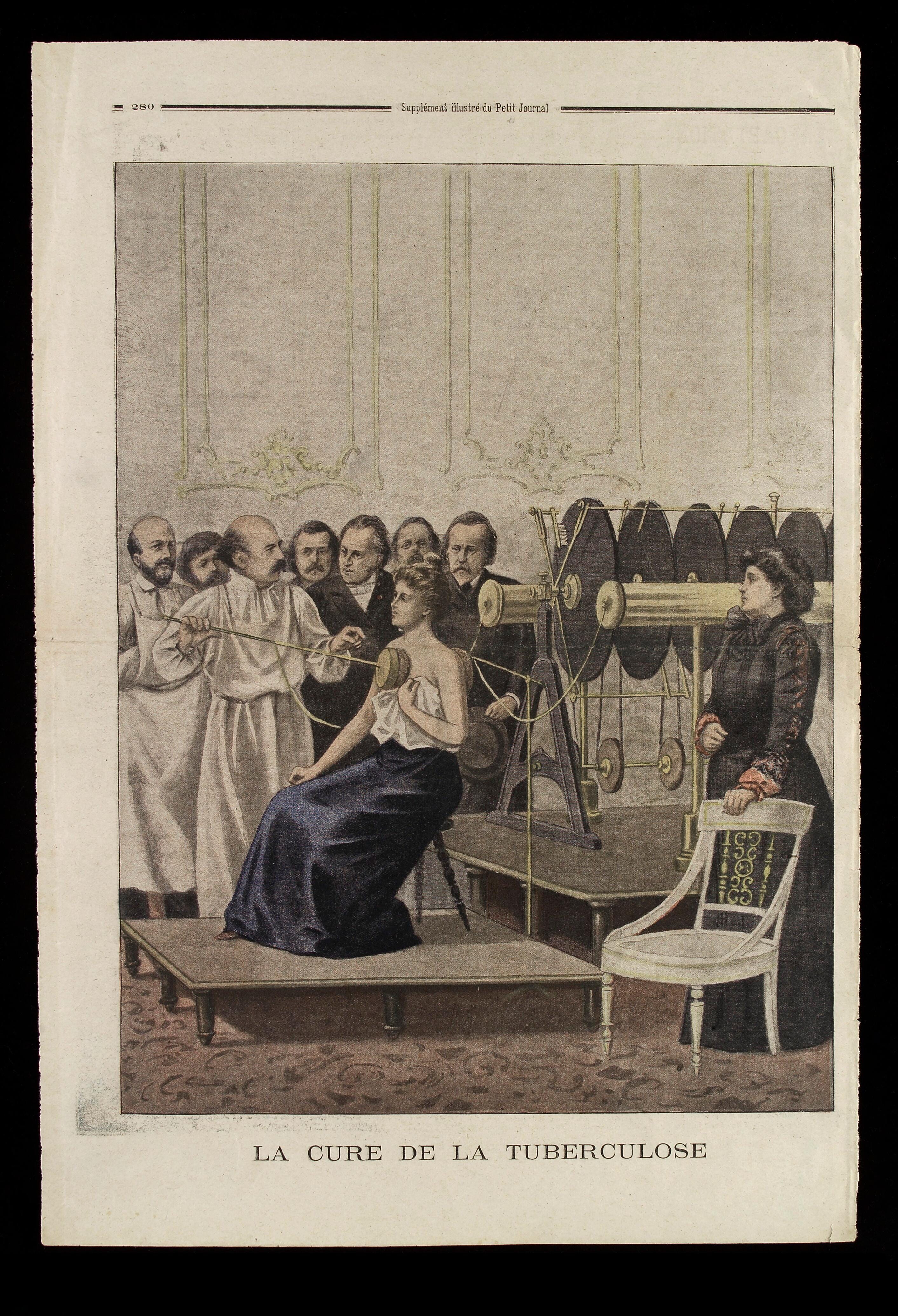
One of the most significant material reforms was the alteration of modes of seeing and of the observer. According to Hunter (2016), with the introduction of new instruments of vision—such as the microscope, the stereoscope, the camera, and the telescope—the way of approaching reality was dramatically transformed. Crucially, however, these new instruments did not cause this cultural rupture; rather, they were product of a new mentality geared towards what was called mechanical objectivity. More precisely, Crary (1990) argues that one must view these visual instruments and the quest for objectivity in imagery as symptoms of modernity. Daston and Galison (2007) corroborate this perspective, adding: “Photography did not create this drive to mechanical objectivity; rather, photography joined this upheaval in the ethics and epistemology of the image.”
The obsession with the pursuit of objectivity was in fact but one epistemological pathway to apprehend reality, and like all philosophical abstractions, it stands as a historical marker and symptom rather than an absolute truth. Paraphrasing Daston and Galison (2007), the history of objectivity and the history of science are not one and the same narrative.
Whereas today it is impossible to imagine the scientific realm without the concept of objectivity, in the nineteen hundreds objectivity — then chiefly mechanical — shared centre stage with other dialectics of truth, notably those grounded in subjectivity.
These ideas, seemingly polar at first glance, could coexist because, as Kant argued, the distinction between the objective and the subjective lay in the universal versus the particular, not in the world versus the mind (Daston & Galison, 2007). Thus objectivity may be defined as the endeavour to suppress the subject entirely in the act of observation, de-emphasising features such as colour—easily associated with a subjective gaze—and privileging attributes such as size, form, duration, as Cartesian thought prescribed (Daston & Galison, 2007).
An awareness of the nineteenth-century dialogue between objectivity and subjectivity is crucial for interpreting the scientific illustrations of tuberculosis as a pathology. Though in that century the scientific subject was deemed the antithesis of the artistic subject, the truth is that when it came to creating images for study and discussion in atlases and scientific volumes, the two overlapped and interacted in multiple ways. In certain fields, the artist was the scientist.
truth-to-nature
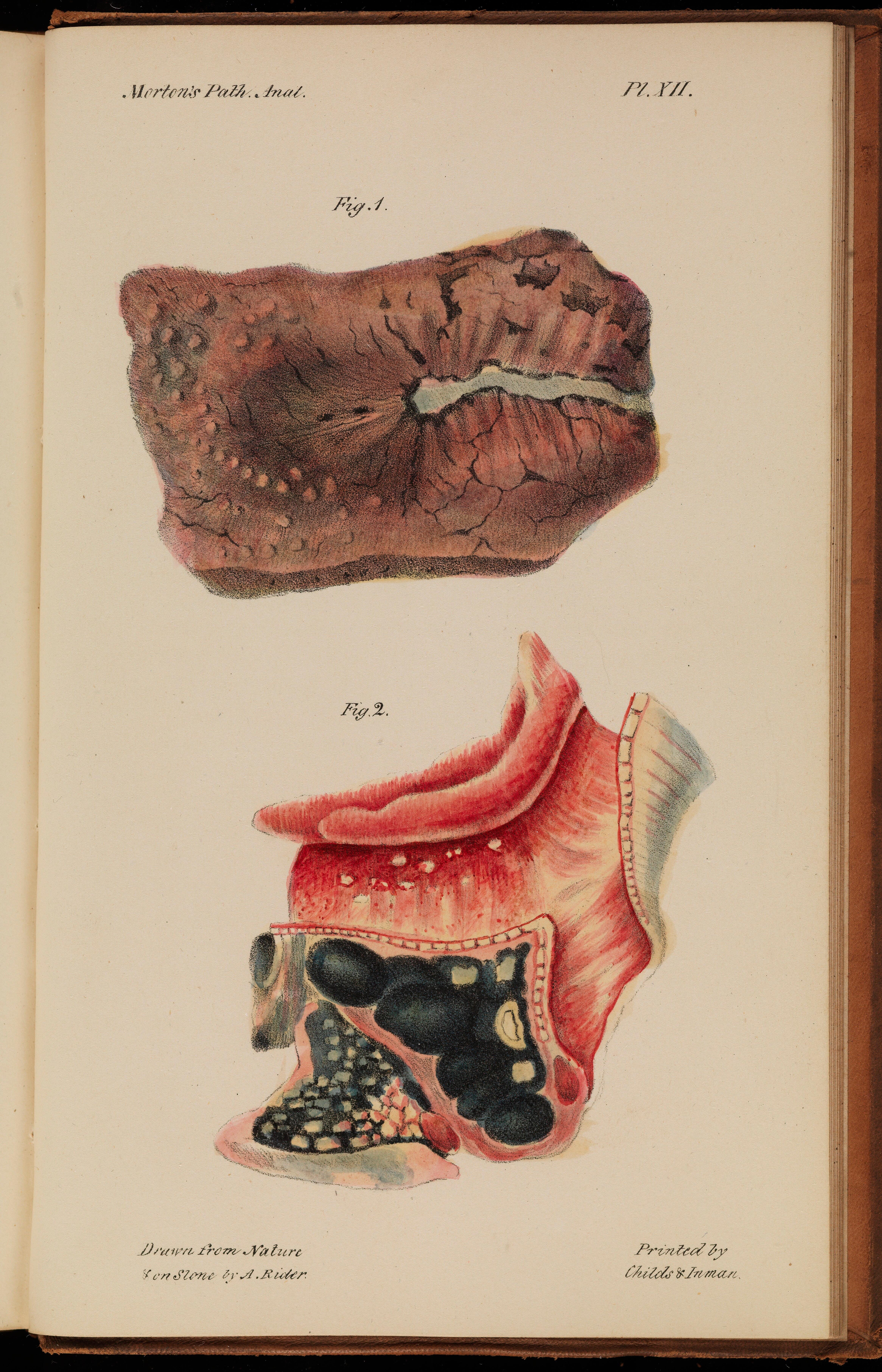
We encounter a type of scientific representation that Daston and Galison (2009) describe as truth-to-nature — that is, a depiction born of a subjective gaze, privileging the observer’s vision over the object itself. What, then, is a objective observational methodology, and how does it indirectly relate to a culture that depicts the perceived aesthetic values of tuberculosis?
The debate over which method best captured reality was a heated topic in the scientific community throughout the nineteenth century. Advocates of the subjective observer — one who relies on direct observation rather than on photography, the camera obscura, or other mechanical means — argued that this approach permitted the creation of a characteristic image rather than an idealised one. Whereas a photograph captured only one specimen, scientific illustration following a truth-to-nature logic could represent the typical specimen, accumulating visual knowledge across multiple examples. Daston and Galison (2009, p. 59) cite the Swedish physician and botanist Carl Linnaeus as an example:
Only the keenest and most experienced observer — who had, like Linnaeus, inspected thousands of different specimens — was qualified to distinguish genuine species from mere varieties, to identify the true specific characters imprinted in the plant, and to separate accidental from essential features.
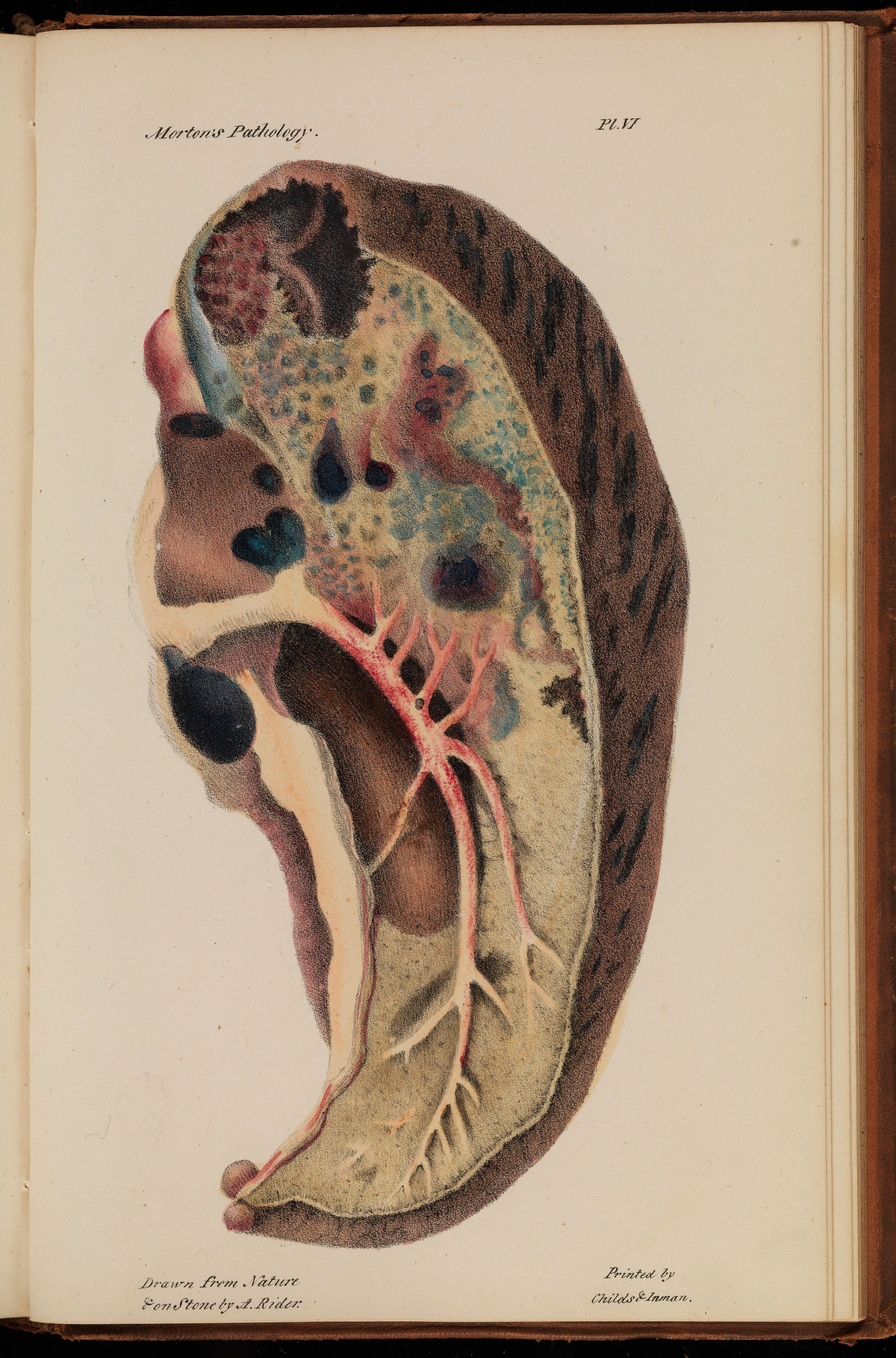
It is telling that the illustrative plates bear the subtitle “Drawn from Nature”, likely intended by the author, Samuel G. Morton, to underscore his method of observation and consequent drawing.
Yet among the preoccupations of objectivity theory was precisely the worry that such a subjective mode of vision would, through partiality, idealise, beautify, and regularise observations (Daston & Galison, 2009). It is within this grey zone between objectivity and subjectivity that the possibility of an imagistic romanticisation of tuberculosis enters.
a “flattering” disease
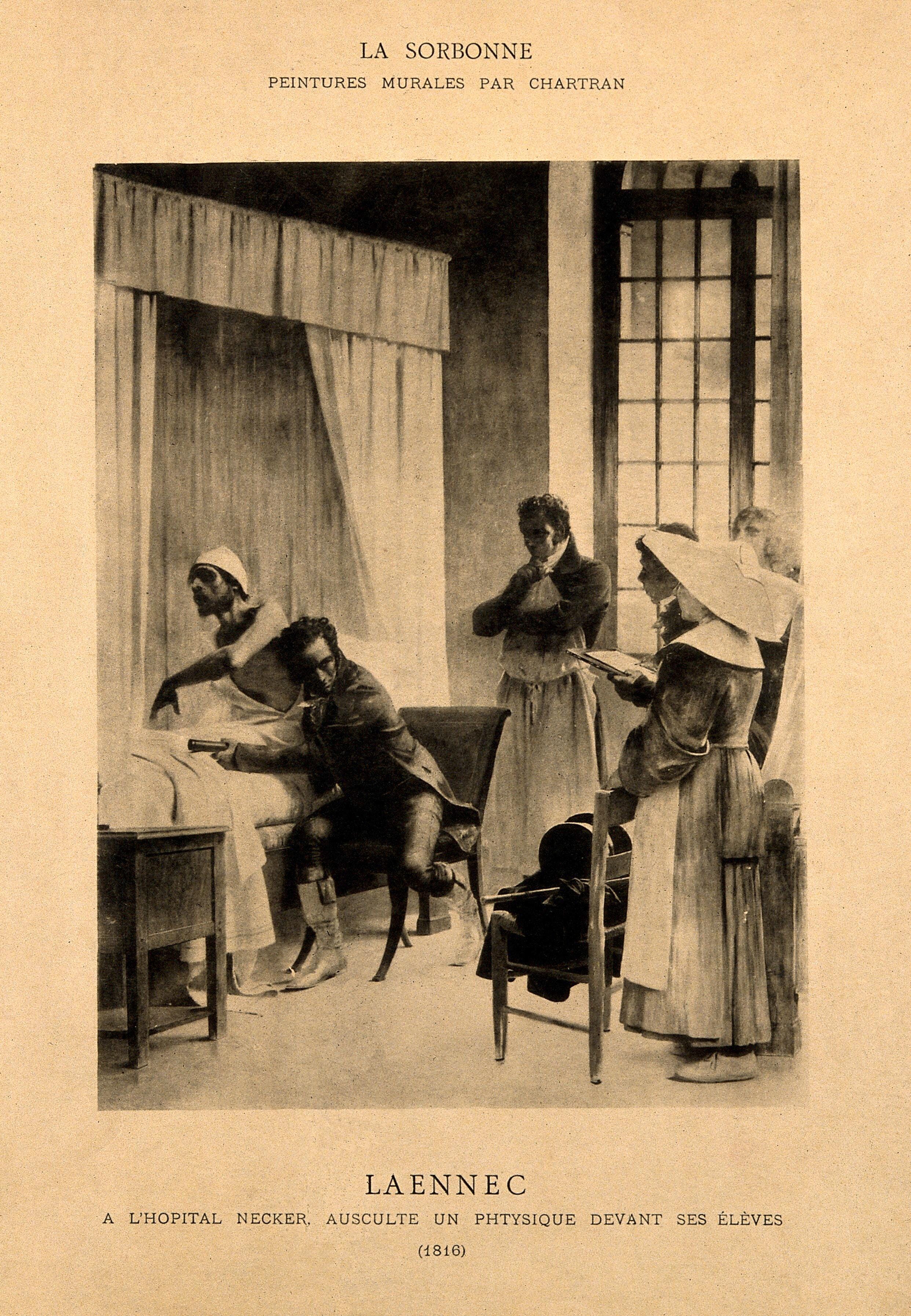
Alongside the exponential growth in medical knowledge there was a concomitant rise in social anxiety surrounding tuberculosis. Paradoxically, despite the drive towards objectivity noted above, the disease was predominantly associated with feminine traits, although it afflicted both sexes with equal incidence.
The dispute over which observational approach best approximated truth did not prevent the period’s medical and journalistic communities from contributing to an implicit feminisation of the illness. In other words, the convergence between artistic and medical visions — both animated by the shared mission of most faithful representation (Daston & Galison, 2009) — ultimately seemed to transport aesthetic principles directly into nineteenth-century scientific illustration. To underpin this perspective, one may consider Michel Foucault’s view that disease is an ideological convention of society and economy, reflecting the circumstances that define life and social value, and hence its own significance (A. Day, 2017). Altogether, these factors contributed to what Byrne (2011) terms the “tubercular aesthetic”.
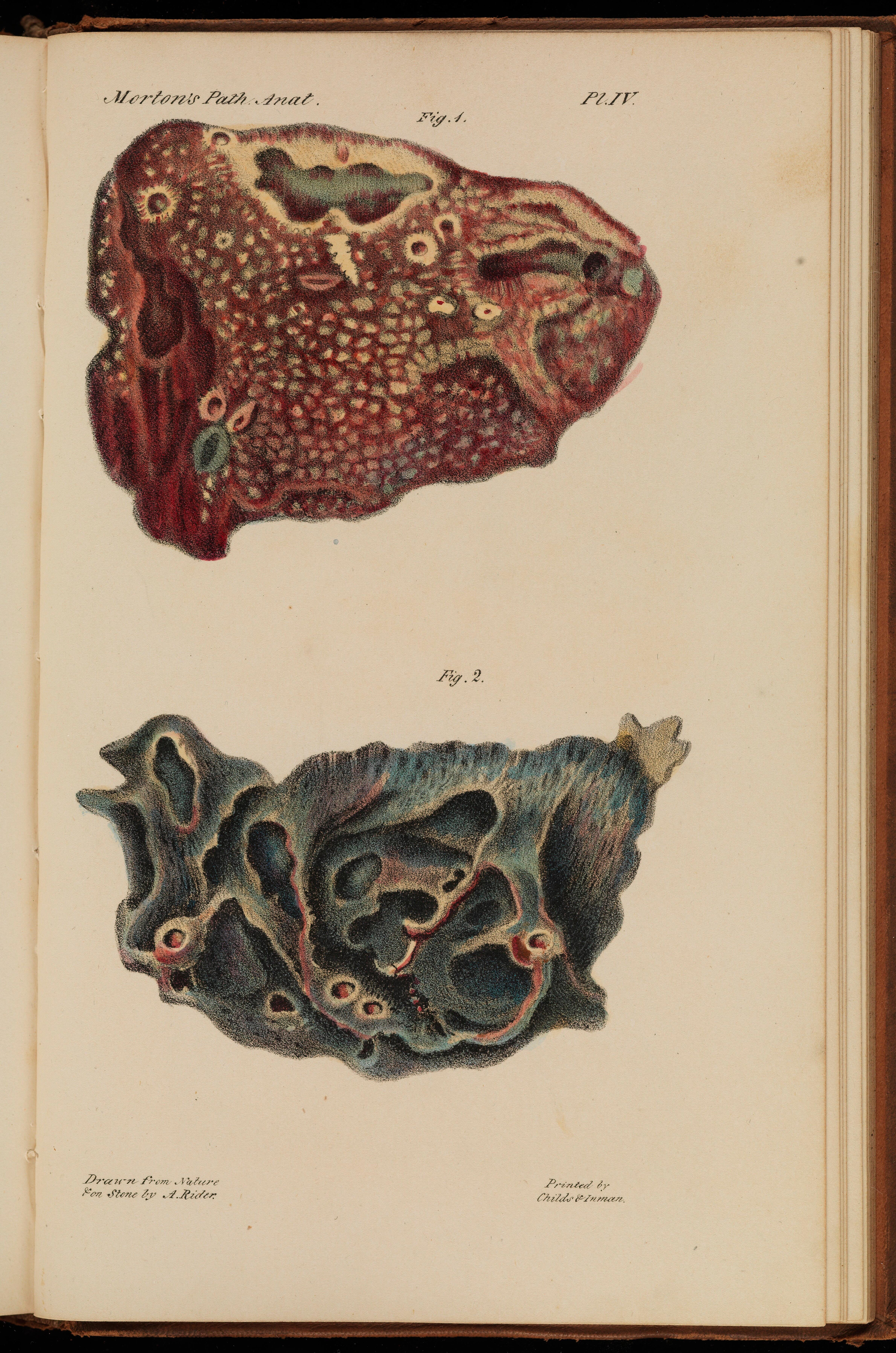
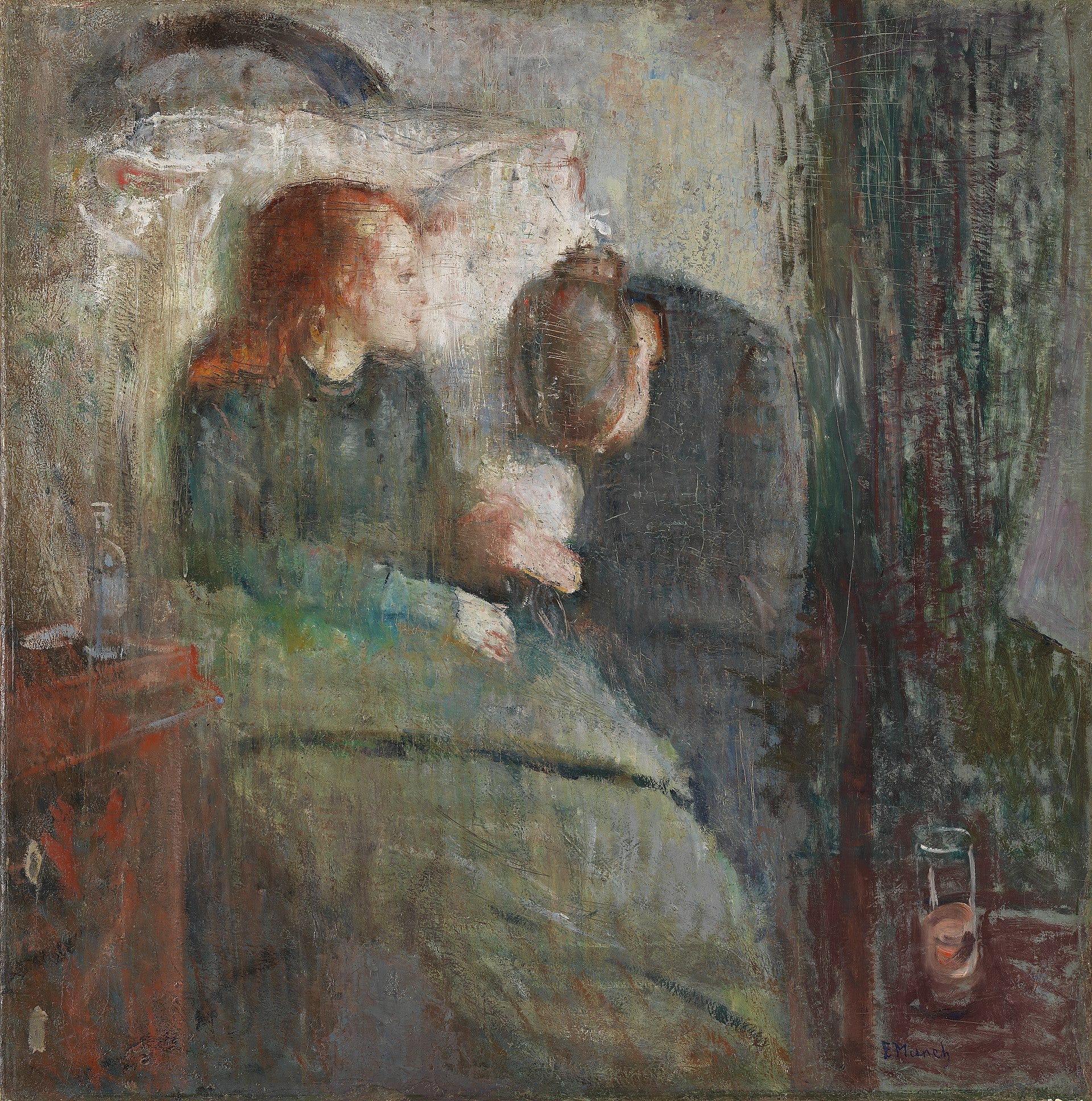
The disease that claimed the lives of Keats, Poe, Chekhov, Simone Weil, Emily Brontë and others is described by Sontag (1978) as a “romantic pulmonary illness”— that is, one affecting the upper body, then regarded as the seat of the spirit — and was invariably considered a disease of the soul. The consumptive patient was, for Thoreau, who himself suffered from the pathology, “Death and disease are often beautiful, like … the hectic glow of consumption” (Sontag, 1978, p. 20).
The tubercular aesthetic was—and again, to quote Sontag (1978)—the first example of a modern activity marketing itself through image, directly engaging with observational methods. Consumption had to be assimilated as “attractive” to be deemed distinctive and characteristic; and as the very harbinger of modernity, the medical community itself participated in this rationale.
Moreover, the notion of the “physician-artist” was not unfamiliar to the nineteenth-century observer, especially in the context of 1880s Paris. Hunter (2016) highlights Pasteur, Péan and Charcot’s comment that, had they not been men of science, they would have been artists. Thus one can observe how a truth-to-nature lens and the subjectivity of the scientific community exalted the tubercular aesthetic, even in their quest for impartiality.
a “beautiful” death?
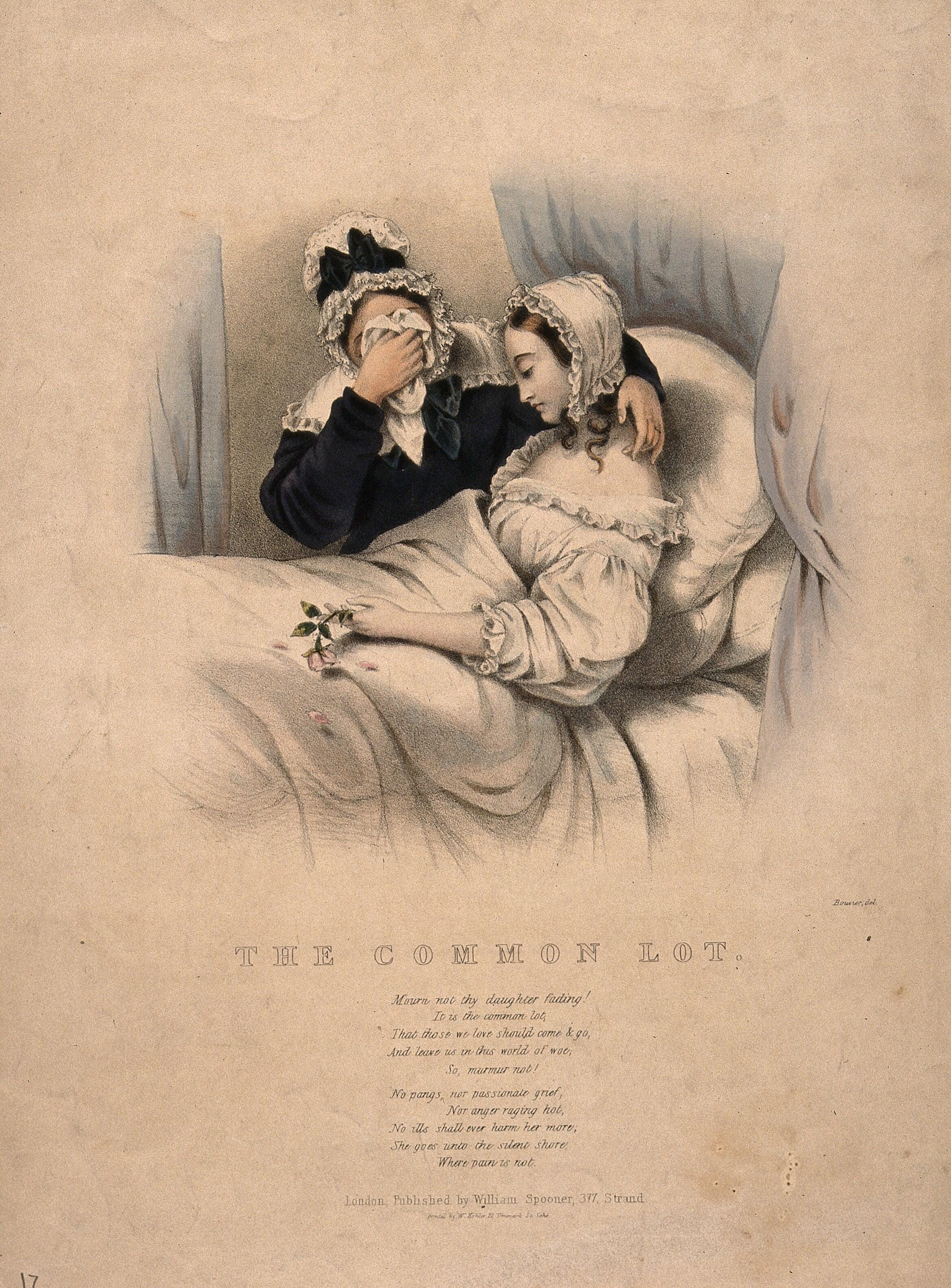
What renders these illustrations particularly fascinating, beyond their observational interpretation, is the formal delicacy and the sinuous portrayal of disease as the very portend of death.
As a means of rationalising and processing grief, tuberculosis assumed an evangelising aspect, whereby death came to be viewed as culturally beautiful (A. Day, 2017). There emerged a longing for a “good and beautiful death”: good in the sense of fullness when confronting its imminence, and beautiful in the external appearance of the disease (A. Day, 2017).
To die of tuberculosis signified a surrender to God’s will, a martyrdom of sorts, an utter yielding to the divine plan. The devout Christian strove to bear the burden of illness with dignity and, in so doing, not only met the challenge of suffering honourably but also attained a measure of control over their mortal experience (A. Day, 2017).
Death itself seemed to possess aesthetic value, and the more fully one embraced it, the more one was individuated and, consequently, found “interesting” and “characteristic”. Sontag (1978, p. 30) writes:
It is with TB* that the idea of individual illness was articulated, along with the idea that people are made more conscious as they confront their deaths, and in the images that collected around the disease one can see emerging a modern idea of individuality that has taken in the twentieth century a more aggressive, if no less narcissistic, form. Sickness was a way of making people “interesting”—which is how “romantic” was originally defined.
I believe this Christian lens on death and disease had a direct impact on the way it was represented, for there is palpable poetic narrative in these depictions, not only in the chosen illustrations but throughout the visual culture addressing tuberculosis.
Noting the continuity of pathological illustrations in these images, one observes the use of colour washes, rather than meticulously detailed delineation of the consumptive subject, aptly summarises the subjectivist notion of accumulating specimens rather than a mechanical objectivity of a single ideal. In comparison with botanical portraits of the same era, one perceives a marked contrast in detail and vision. By eschewing any claim to photographic realism, these works nonetheless cannot be said to fail in truthfulness: “Realist strategies were no more objective than any other artistic practice; all styles are intricately bound to professional, institutional, cultural, political, and personal imperatives” (Hunter, 2016, p. 20). Furthermore, the palette itself exhibits a chromatic coherence distinct from that of a photographic portrait, employing predominantly harmonious hues that juxtapose warm tones with nearly complementary blues.
John Keats once valued aesthetic aspect of the colour of blood in his cough, declaring: “I know the colour of that blood; it is arterial blood. I cannot be deceived in that colour. That drop of blood is my death warrant. I must die.” (Monckton Milnes, 2013, p. 54), attesting to the still-suspected subjectivity of colour interpretation— until, as Dalton and Galison (2009) note, the observer trains their eye.
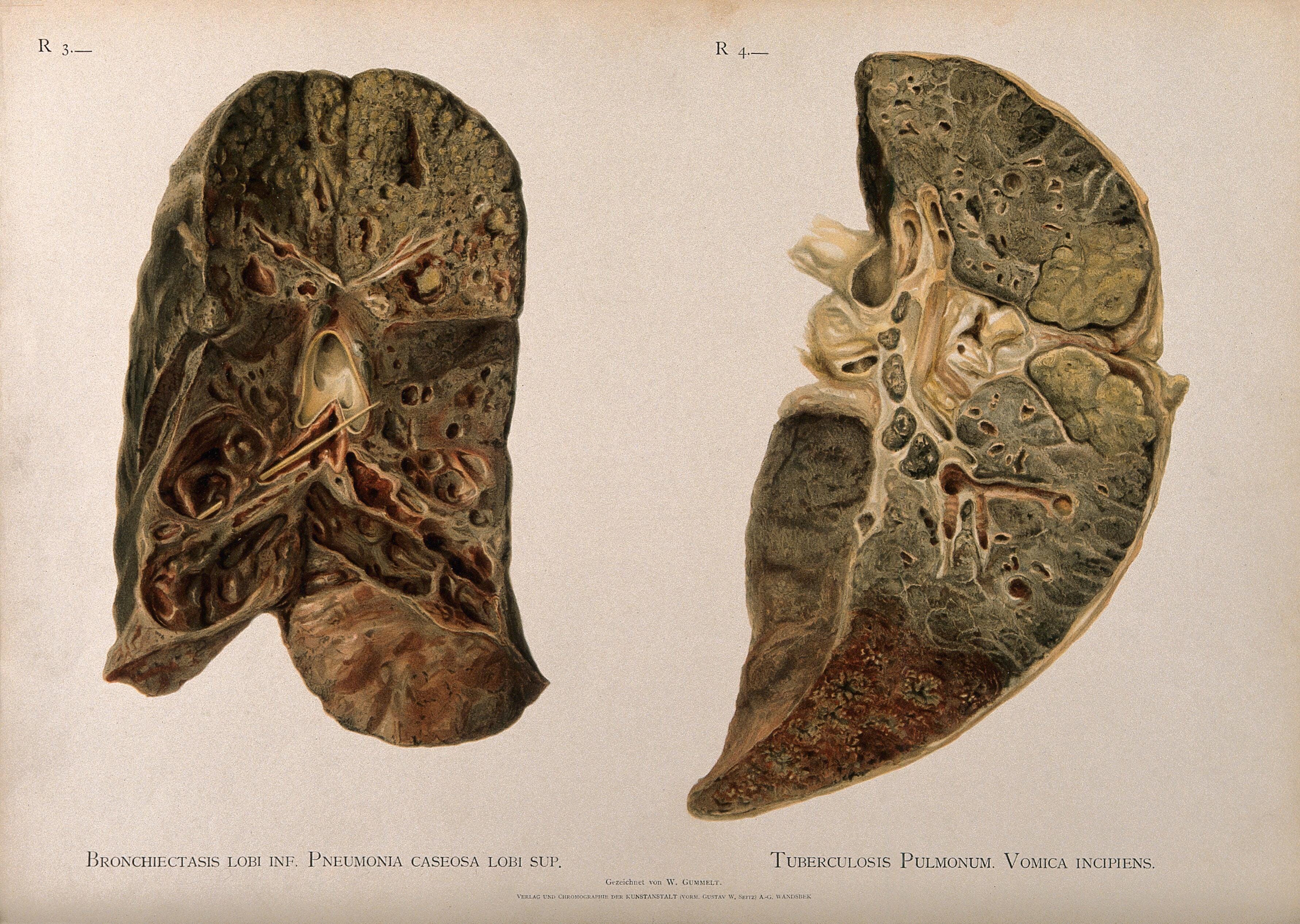
Intersecting with the questions posed by a new kind of observer, evidence seems to suggest that tuberculosis was, for Victorian England, more than merely one among many diseases that roamed before the advent of penicillin and isoniazid. It was often synonymous with virtue, beauty, and status. Its portrayal became akin to a Freudian phantomisation of the mind (Medeiros, 2019), a means of apprehending God and processing grief, a cult of the dead on behalf of the living, reminiscent of post-mortem photography.
Further reading:
A. DAY, C. (2017). Consumptive Chic: A History of Beauty, Fashion and Disease. Ireland: Bloomsbury Academic.
BYRNE, K. (2013). Tuberculosis and the Victorian Literary Imagination. Cambridge: Cambridge University Press.
CRARY, J. (1990). Techniques of the Observer: On Vision and Modernity in the Nineteenth Century. Massachusetts: MIT Press.
HUNTER, M. (2016). The Face of Medicine: Visualising Medical Masculinities in the Late Nineteenth Century Paris. Manchester: Manchester University Press.
J. DASTON, L. E GALISON, P. (2007). Objetivity. New York: Zone Books.
SONTAG, S. (1978). Illness as a Metaphor. New York: Farrar, Straus and Giroux.
MEDEIROS, M. (2019). Espectros Revisitados: da Fotografia Espirita ao Digital. In Guerreiro F. e Bértolo J. (eds.), Morte e Espectralidade Nas Artes e na Literatura (pp 121-130). Vila Nova Famalicão: Autores e Edições Húmus. https://repositorio.ul.pt/handle/10451/37995
MONCKTON, M. (2013). Life and Letters of John Keats. In Monckton, R. Milnes (ed.), Life, Letters, and Literary Remains of John Keats. Cambridge Library Collection - Literary Studies (pp. 1-108). Cambridge: Cambridge University Press. doi:10.1017/CBO9781139626729.001
Note: This essay dates from January 2023, when I began writing similar works. Citations (and writing, even) are not perfect!